
Hybrid Vs Electric Cars
What's the difference between electric and hybrid cars?
Hybrid vs Electric Cars
Reduced emissions and tax benefits mean running a hybrid or all-electric car is easy on the environment and financially effective. So the debate isn’t about whether to go electric but which electric vehicle to go for. There are a few things to consider so here are some pros and cons of hybrid and electric vehicles to help you decide which one is right for you.
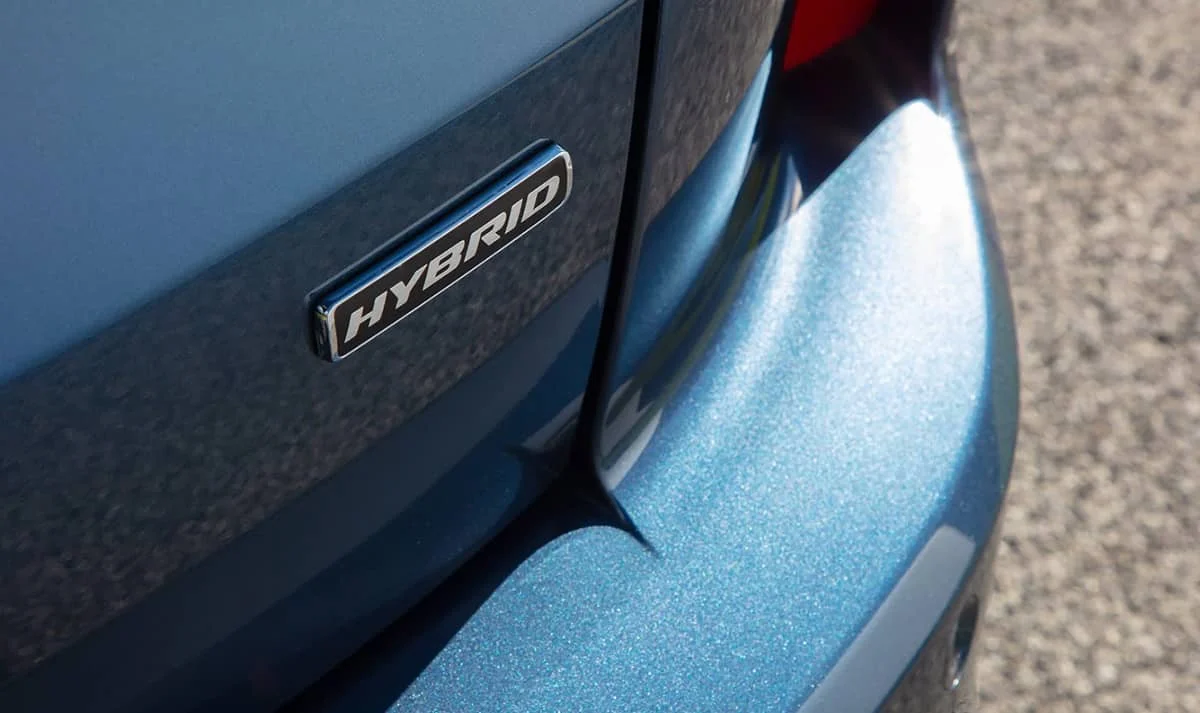
Pros Of Hybrid Vehicles
The mass-produced hybrid car has been available for a surprising quarter of a century and uses established, effective technology to manage two engine types: an electric motor plus a petrol or diesel engine. Because a hybrid self-charges, it means you only have to fill it with petrol or diesel and off you go. Computers manage the power delivery, utilising battery energy where possible. The transition is seamless and it feels pretty much like driving a regular petrol or diesel car.
Hybrids have sensibly-sized fuel tanks, so you’ll be able to cover hundreds of miles on a tank without worrying about range and it’s easy and quick to fill up.
There are plug-in hybrids (PHEVs) too. Yes, they need charging from the mains, but they have greater battery-only range and can therefore cover many journeys without burning any fossil fuel.
It’s also worth noting the difference between a ‘regular’ hybrid (HEV) and mild hybrid (MHEV). The full hybrid will do more driving on electric only, whereas the mild hybrid motor is generally used to assist the engine.
The type of driving you do will determine whether you will make the most of a hybrid, but again, there’s a type to suit most. Hybrids generally work with electric at lower speeds so stop-start traffic and city driving make the most of the technology. Many plug-in hybrids, however, will run on electric at motorway speeds to make full use of the battery power.
Hybrids have cheaper road tax than their petrol or diesel equivalents. BiK rates for business users can be more favourable too: check out our vehicle lease for businesses here and calculate how much you’ll save by switching.
And you won’t pay the London congestion charge with a plug-in hybrid (as long as it emits no more than 75g/km of CO2 and has a minimum 20 mile electric range).
Yes, you’ll find they use automatic gearboxes which makes them easy and relaxing to drive.
Different hybrid manufacturers also provide electric propulsion in different ways. Some deliver the power in parallel with the engine via the car’s regular gearbox to the same set of driven wheels. Others drive the front wheels with a petrol or diesel engine and the rear wheels with electric motors. This can allow all the wheels to be driven when needed for extra traction so offers genuine all-wheel-drive ability for short bursts.
Cons Of Hybrid Vehicles
Hybrids still burn fossil fuels in their combustion engines and therefore aren’t completely emission-free, unlike the full EV. However, the plug-in hybrid combines the best of both, with many journeys being possible in electric mode. Remember there’s still an environmental impact with the engine manufacture so going all-electric is cleaner still.
There are other subtle differences too. A hybrid model will be slightly heavier than its non-hybrid equivalent, meaning the driving dynamics will be different. Manufacturers adapt the suspension accordingly but there’s no escaping the fact you’re carrying around the weight of motors and batteries as well as an engine.
You will need a light foot to reap the benefit of a hybrid; heavy acceleration will consume both petrol/diesel and battery power.
The hybrid electric vehicle isn’t completely exempt from road tax, unlike all-electric models.
Pros Of Fully Electric Vehicles
The main advantage of all-electric cars is that they don’t burn fossil fuels. The energy we take from the socket is increasingly coming from sustainable sources too, so they are certainly better for the environment.
They are smooth, quiet and without the need for gears, easy to drive. They are actually quite nippy too. An electric motor delivers maximum torque from zero rpm - and then means a brisk getaway. Some Tesla models will dispatch 60mph in around three seconds.
Most importantly, the range of an electric car means you should be able to plan journeys easily. Many boast 200-300 mile ranges; the KIA e-Niro, for example, has a range of up to 282 miles.
The charging infrastructure is improving all the time, so you’ll see places to plug-in everywhere from city centres to supermarkets.
Electric motors are small - and with batteries are generally positioned low down, as centrally as possible, there is much more flexibility for interior design to utilise the space.
Let’s start with road tax. It’s zero. Yes, it currently costs nothing to tax your EV. There’s no London congestion charge either.
Recharging your EV will be cheaper than petrol or diesel too. It’s worth checking which energy suppliers offer cheaper tariffs for charging your EV at home.
Cons Of Fully Electric Vehicles
The biggest downside of an EV will be the range. Yes, some impressive numbers are quoted, but in the real world, you’re unlikely to match these. It won’t (necessarily!) be the way it’s driven: in colder weather, batteries can be around 20% less efficient.
Going electric does mean you have to charge-up and this can take anywhere between 30 minutes to 12 hours. Longer journeys may need to be planned more thoroughly to take in charging stops. Luckily there are good phone apps to help with this and EVs can find the nearest charging point via their sat-navs.
So, who wins?
If you are serious about your vehicle’s environmental impact, going for a completely electric vehicle is better than opting for a hybrid. This is because the EV emissions are absolutely zero, kinder to our planet and its people.
In terms of usability, the hybrid probably pips the EV at the post, with established infrastructure for refuelling and sensible range. The hybrid, albeit greener than a regular motor, still burns petrol or diesel fuel.
The half-way house is the plug-in hybrid: providing sufficient range (often 30-40 miles) on electric alone so you can do much of your driving without use of the engine - but with the back-up of petrol or diesel for longer drives.
Ultimately, whether you go EV or hybrid is determined by your driving pattern and ability to charge locally. But remember, charging points are increasing in number and technology is advancing rapidly, improving electric vehicles’ ranges.