
2035’s Petrol and Diesel Car Ban
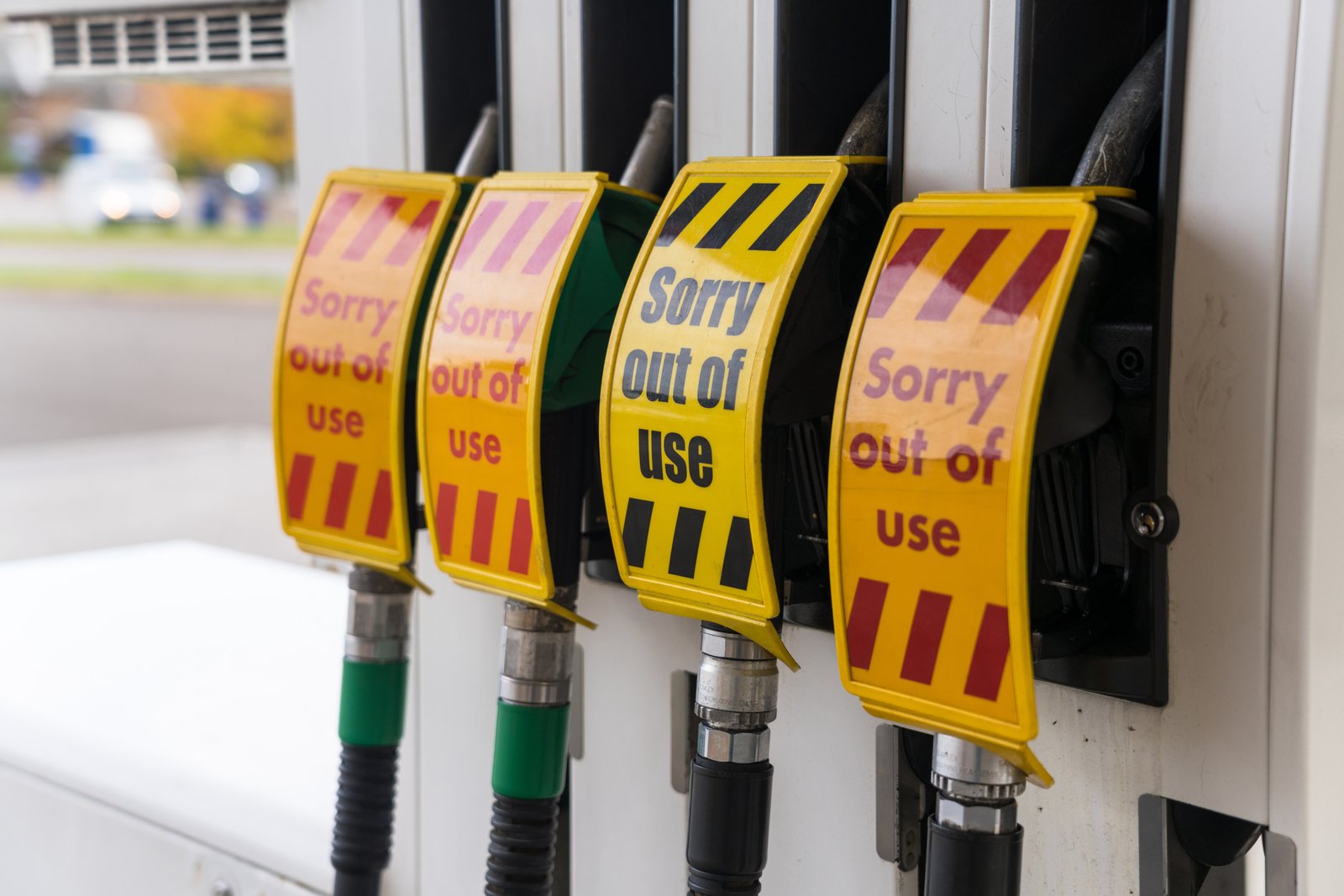
As the UK accelerates towards a zero-emissions future, significant changes are on the horizon for drivers. The government has confirmed that the sale of new petrol and diesel cars will be banned from 2035, a move aimed at tackling climate change and reducing air pollution.
With this shift, questions arise: What happens to existing petrol and diesel cars? Will petrol stations disappear? And will we all be driving electric vehicles (EVs) soon? But the main question on many drivers' minds is:
Is the UK banning petrol in 2035?
Let’s break down everything you need to know about the petrol and diesel car ban, what it means for UK drivers, and how the transition to electric vehicles will unfold.
When Will Petrol and Diesel Cars Be Banned?
The UK government initially set 2030 as the cut-off date for new petrol and diesel car sales. However, this was later extended to 2035 to give the automotive industry, infrastructure, and consumers more time to prepare for the transition to EVs.
From 2035 onwards, manufacturers will no longer be allowed to sell new petrol and diesel cars. However, existing petrol and diesel cars will still be legal to drive, there is no outright ban on their use.
Plug-in hybrids (PHEVs) were initially set to be phased out in 2030, but the latest update confirms they will also be permitted until 2035, provided they meet stringent emissions standards.
This means that UK drivers have a bit more time to consider the switch to electric, but the transition is happening, whether we like it or not.
What Will Happen to Petrol and Diesel Cars After 2035?

While the sale of new petrol and diesel cars will be banned from 2035, they won’t suddenly disappear from UK roads. Millions of existing petrol and diesel cars will still be in use for years, potentially decades, after the deadline. However, there will be some major changes, including:
Declining resale values: As demand shifts towards electric vehicles, older petrol and diesel cars may see their resale values drop.
Restricted access in some cities: More Low Emission Zones (LEZs) and Clean Air Zones (CAZs) are expected across the UK, meaning owners of petrol and diesel cars could face extra charges to drive in certain areas.
Higher running costs: While petrol and diesel will still be available, fuel prices may rise as demand falls and petrol stations start closing.
So, while you can still drive your petrol or diesel car after 2035, the cost of ownership could become more expensive.
Can I Still Drive My Diesel Car After 2035?
Yes. The UK government has confirmed that there will be no legal ban on owning or driving a diesel car after 2035. However, as we move closer to a fully electric future, diesel car owners may find tighter regulations on emissions, particularly in urban areas, potential increases in road tax for diesel cars with higher emissions, and fewer options for diesel servicing and repairs, as garages focus on EV maintenance instead. For high-mileage drivers who rely on diesel cars, the decision to switch to an electric vehicle will largely depend on how running costs compare over the next decade.
When Will Petrol Cars Stop Being Sold?
There is no official date for when petrol sales will stop in the UK. Petrol stations will continue operating beyond 2035 to serve the millions of petrol and diesel vehicles still on the road. However, over time the number of petrol stations is likely to decline as demand falls, petrol prices could increase due to lower demand and higher taxation, and more stations may switch to EV charging hubs, reducing the number of pumps available.
In the long run, petrol sales will naturally phase out, but it’s unlikely to disappear completely for decades.
What Will Happen to Classic Cars When Petrol Is Banned?

For classic car enthusiasts, the good news is that petrol is not being "banned" outright. Vintage and classic cars will still be legal to drive, and petrol will remain available for the foreseeable future. However, as petrol stations begin to disappear, classic car owners may face challenges such as;
Limited availability of fuel: Some owners may need to travel further to find petrol stations.
Higher fuel costs: With fewer petrol stations, prices could rise due to lower supply.
Alternative fuels: Some classic car owners are already converting their vehicles to electric to future-proof them.
It’s possible that synthetic fuels (e-fuels) or biofuels could be developed to keep classic cars running without relying on traditional petrol.
When Will All Cars in the UK Be Electric?
While 2035 is a major milestone, it won’t mean an immediate switch to 100% electric vehicles. The transition will depend on multiple factors:
1. EV Adoption Rates
Despite growing interest in electric vehicles (EVs), petrol and diesel cars still make up the majority of vehicles on UK roads. As of 2024, only around 1 in 8 new cars sold are fully electric. This number will need to rise significantly to meet the government’s zero-emission goals.
2. Charging Infrastructure
The biggest challenge for EV adoption is the charging network. The government and private companies are investing in more public charging stations in cities and rural areas, faster chargers, with some capable of delivering an 80% charge in under 30 minutes, home charging incentives, helping drivers install EV chargers at home.
3. Car Manufacturer Readiness
Most car manufacturers are phasing out petrol and diesel models in favour of electric and hybrid alternatives. Brands like Ford, BMW, and Volkswagen have pledged to go fully electric before 2035, ensuring plenty of EV options for buyers.
4. Consumer Hesitancy
Many drivers are still hesitant to switch to EVs due to high upfront costs (although prices are falling), limited public charging infrastructure, and concerns about battery life and range.
As technology improves and prices drop, the transition will speed up. But experts estimate it could take until 2050 or beyond before petrol and diesel cars completely disappear from UK roads.
What Should UK Drivers Do Next?

The UK is moving towards a zero-emissions future, but petrol and diesel cars aren’t going away overnight. If you’re unsure about making the switch to electric, you don’t have to rush your decision.
Why Leasing Could Be the Best Option
For those uncertain about EVs or hybrid cars, leasing can be a smart and flexible solution. Instead of committing to buying a new car outright, leasing allows you to:
Try before you commit: If you’re unsure whether an EV, hybrid, or petrol model is right for you, leasing gives you the chance to test different options for a few years. Not sure of the process? Find out how to lease a car today.
Avoid depreciation: Electric vehicle technology is evolving rapidly. Leasing means you won’t have to worry about your car losing value as newer models with better range and charging times emerge.
Lower upfront costs: Leasing often requires a lower initial payment than purchasing a car outright, making it a more affordable way to drive a newer, more efficient model.
Stay up to date with the latest technology: With leasing, you can upgrade to a newer model every few years, ensuring you always have access to the latest advances in battery life, performance, and charging speed.
If you’re thinking about switching to an electric vehicle, but aren’t ready to commit long-term, leasing could be the perfect way to test the waters without the risk.
Your Next Steps
If you're buying a car soon, consider a hybrid or electric vehicle to future-proof your purchase. You can even check out the current top 10 cars with low emissions.
If you own a petrol or diesel car, keep an eye on government policies and potential tax changes.
If you're hesitant about EVs, leasing could be the ideal way to try an electric or hybrid vehicle before fully committing.
Whether you're an early EV adopter or planning to stick with petrol for now, one thing is clear: the future of driving in the UK is electric, and 2035 is just the beginning.